
Healthy Aging: Tips to Maintain Vitality and Prevent Disease in Later Years
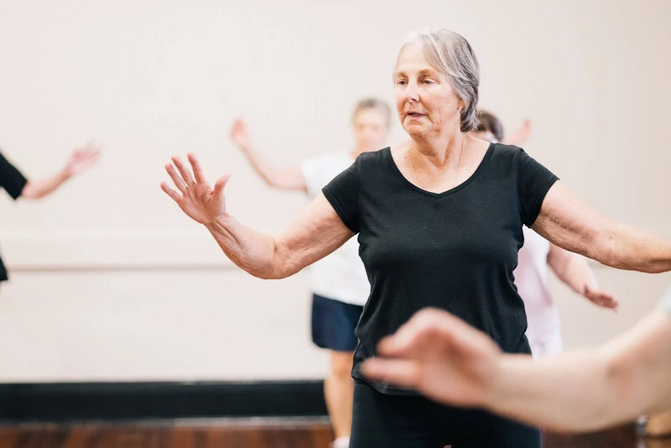
Aging is a natural process, but how we age can be influenced by lifestyle choices, habits, and healthcare. Healthy aging focuses on maintaining vitality, preventing disease, and promoting mental, emotional, and physical well-being. While growing older comes with challenges, adopting proactive habits can make a significant difference in quality of life. Small, consistent changes in diet, exercise, and daily routines can ensure that later years are active, fulfilling, and vibrant. This article explores practical strategies for healthy aging and disease prevention.
Balanced Nutrition for Longevity

A nutritious diet forms the foundation of healthy aging. Consuming a variety of fruits, vegetables, whole grains, lean proteins, and healthy fats supports energy, immunity, and organ function. Limiting processed foods, excessive sugar, and salt helps prevent chronic diseases such as diabetes, hypertension, and heart conditions. Staying hydrated is equally important. Tailoring nutrition to individual needs ensures that the body receives essential vitamins and minerals, promoting vitality in later years.
Mental Stimulation and Cognitive Health
Maintaining cognitive function is essential for healthy aging. Engaging in mentally stimulating activities like reading, puzzles, learning new skills, or practicing a hobby challenges the brain and encourages neuroplasticity. Social interaction also plays a significant role in cognitive health. Regularly connecting with friends, family, or community groups promotes mental sharpness and reduces feelings of isolation. Lifelong learning and intellectual engagement create a unique path to mental vitality.
Regular Physical Activity
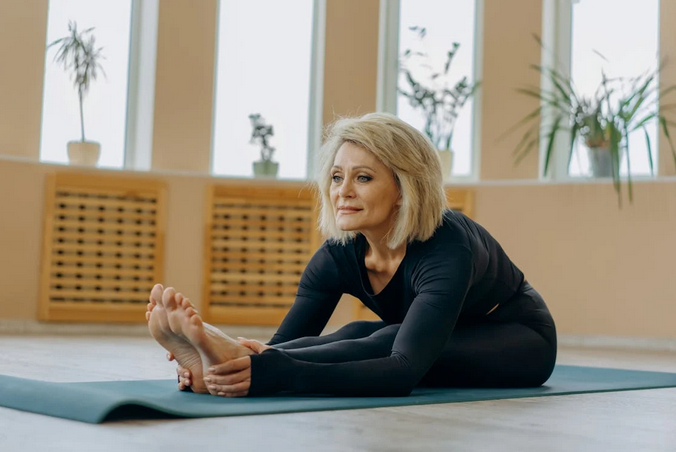
Exercise is critical for maintaining muscle strength, flexibility, and balance. Activities such as walking, swimming, yoga, and resistance training support cardiovascular health and bone density. Regular movement also improves mood, reduces stress, and enhances cognitive function. Incorporating exercise into daily routines, even in small increments, ensures continued mobility and reduces the risk of falls and injuries. Consistency, rather than intensity, is key to long-term benefits.
Adequate Sleep and Rest
Sleep quality often declines with age, yet it remains vital for recovery, immunity, and cognitive function. Adults should aim for seven to nine hours of restful sleep per night. Establishing a consistent sleep schedule, reducing caffeine and screen exposure, and creating a calming bedtime routine support restorative rest. Adequate sleep also enhances energy levels, mood, and focus throughout the day.
Preventive Healthcare and Regular Checkups
Routine medical care is a cornerstone of disease prevention. Regular checkups, screenings, and vaccinations help detect potential health issues early. Blood pressure monitoring, cholesterol testing, and cancer screenings are examples of proactive care. Preventive healthcare allows timely interventions, reducing the severity of illnesses. Working closely with healthcare providers ensures that individuals receive personalized recommendations for medications, therapies, and lifestyle adjustments.
Maintain Social Connections
Loneliness and social isolation can impact health as much as physical inactivity. Strong social networks promote emotional support, reduce stress, and encourage healthy behaviors. Joining clubs, participating in volunteer work, or regularly visiting friends and family helps maintain engagement. Social interaction provides purpose, motivation, and joy, which are vital components of healthy aging.
Stress Management and Emotional Well-Being

Chronic stress can negatively affect both physical and mental health. Practicing stress reduction techniques such as meditation, deep breathing, or mindfulness improves emotional balance. Maintaining hobbies, engaging in social activities, and nurturing relationships support overall well-being. Emotional resilience helps individuals cope with life changes and health challenges effectively. Prioritizing emotional health ensures that aging remains a positive, fulfilling experience.
Adaptation and Lifelong Learning
Healthy aging requires flexibility and openness to change. Adapting to new circumstances, learning new skills, and exploring creative outlets keep life stimulating and enjoyable. Technology, travel, and personal projects offer opportunities for growth and enrichment. Embracing change fosters independence and confidence while supporting physical and cognitive health. A proactive mindset ensures that later years are both productive and fulfilling.
Healthy aging is a holistic process that combines nutrition, physical activity, cognitive stimulation, preventive care, emotional well-being, sleep, social engagement, and adaptability. By adopting these strategies, individuals can maintain vitality, prevent chronic diseases, and enjoy a higher quality of life. Small, consistent habits create lasting benefits, allowing people to age with energy, resilience, and purpose. Focusing on overall wellness ensures that later years remain vibrant, fulfilling, and meaningful.
Aging is a natural process, but how we age can be influenced by lifestyle choices, habits, and healthcare. Healthy aging focuses on maintaining vitality, preventing disease, and promoting mental, emotional, and physical well-being. While growing older comes with challenges, adopting proactive habits can make a significant difference in quality of life. Small, consistent changes in…